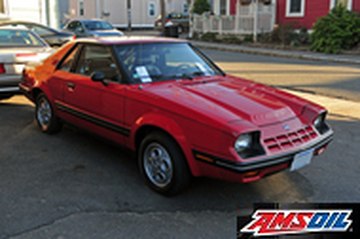
Engine Maintenance for your 1983 Ford EXP 1.6L
Maintaining an older vehicle requires consistent attention to fluid levels and component health to ensure reliable operation. For a 1983 Ford EXP with the 1.6L engine, focusing on cooling system integrity and proper lubrication practices is essential for long-term engine health.
What coolant or antifreeze products are listed for my 1983 Ford EXP 1.6L?
The following products are listed for this vehicle: ANTPC1G-EA Passenger Car & Light Truck Antifreeze & Coolant and ANT1G-EA Low Toxicity Antifreeze and Engine Coolant.
Engine Oil Lubrication Fundamentals
Engine oil serves as the primary defense against internal friction, heat, and contaminants within the 1.6L engine. Regular monitoring of the oil level is a fundamental maintenance task. Checking the dipstick frequently allows you to identify potential leaks or excessive consumption before they lead to mechanical issues. When adding oil, ensure that any product used meets the requirements for your specific application.
Over time, engine oil loses its ability to lubricate effectively due to thermal breakdown and the accumulation of combustion byproducts. Maintaining a clean lubrication system helps prevent the buildup of sludge, which can restrict oil flow to critical engine components. Following the manufacturer's recommended maintenance schedule for oil changes is the most effective way to manage this process.
Cooling System Management
The cooling system is responsible for regulating the operating temperature of the 1.6L engine. A failure in this system, such as a leak or a malfunctioning thermostat, can lead to rapid overheating. It is important to inspect hoses, clamps, and the radiator for signs of wear, cracking, or crystallization of coolant residue.
Using the listed antifreeze and coolant products helps maintain the proper chemical balance within the cooling passages. Beyond just preventing freezing in cold climates, these fluids provide necessary protection against corrosion within the engine block and radiator. Periodically checking the coolant level in the expansion tank or radiator (only when the engine is cool) ensures that the system remains properly filled.
Monitoring Fluid Integrity
Beyond oil and coolant, other vehicle fluids play vital roles in operation. While specific details for every fluid are not always available, a general rule of maintenance is to inspect all visible reservoirs during routine checks. Any discoloration, unusual odors, or sudden drops in fluid levels should be investigated immediately.
Contamination is a common issue in older vehicles. For example, if oil appears milky or cloudy, it may indicate that coolant has entered the lubrication system. Conversely, if coolant appears oily, there may be an internal leak. Identifying these signs early can prevent significant engine damage.
Preventative Inspection Routines
A proactive approach to maintenance involves regular visual inspections. For a 1983 Ford EXP, this includes looking under the vehicle for puddles that might indicate a leak from the engine, transmission, or cooling system. Checking the condition of belts and hoses is also critical; rubber components can become brittle or cracked due to age and heat exposure.
Inspecting the battery terminals for corrosion and ensuring that electrical connections are tight can prevent starting issues. While these tasks are not directly related to engine oil, they form part of a comprehensive maintenance strategy that keeps the vehicle in serviceable condition.
Understanding Maintenance Schedules
Every vehicle has specific service requirements designed by the manufacturer to optimize performance and longevity. For your 1983 Ford EXP, you should consult the owner's manual or the manufacturer's official maintenance schedule to determine the correct intervals for oil changes, coolant flushes, and other inspections.
Relying on a documented schedule rather than guesswork helps ensure that critical services are not overlooked. As vehicles age, some owners choose to perform more frequent inspections to account for the natural wear of seals and gaskets, but the manufacturer's baseline remains the primary reference point.
How often should I change the oil in my 1983 Ford EXP 1.6L?
To determine the correct oil change frequency for your vehicle, you must follow the owner's manual or the manufacturer maintenance schedule.
BUYING ENGINE OIL
When you are ready to purchase lubrication for your vehicle, focus on selecting products that align with your maintenance needs. Always verify that any oil you select is appropriate for your specific engine requirements. Check the packaging or consult with a specialist to ensure the product meets the necessary standards for your 1983 Ford EXP. Proper selection and regular application are key to maintaining the internal components of your 1.6L engine.